Diversity as a means of discovery

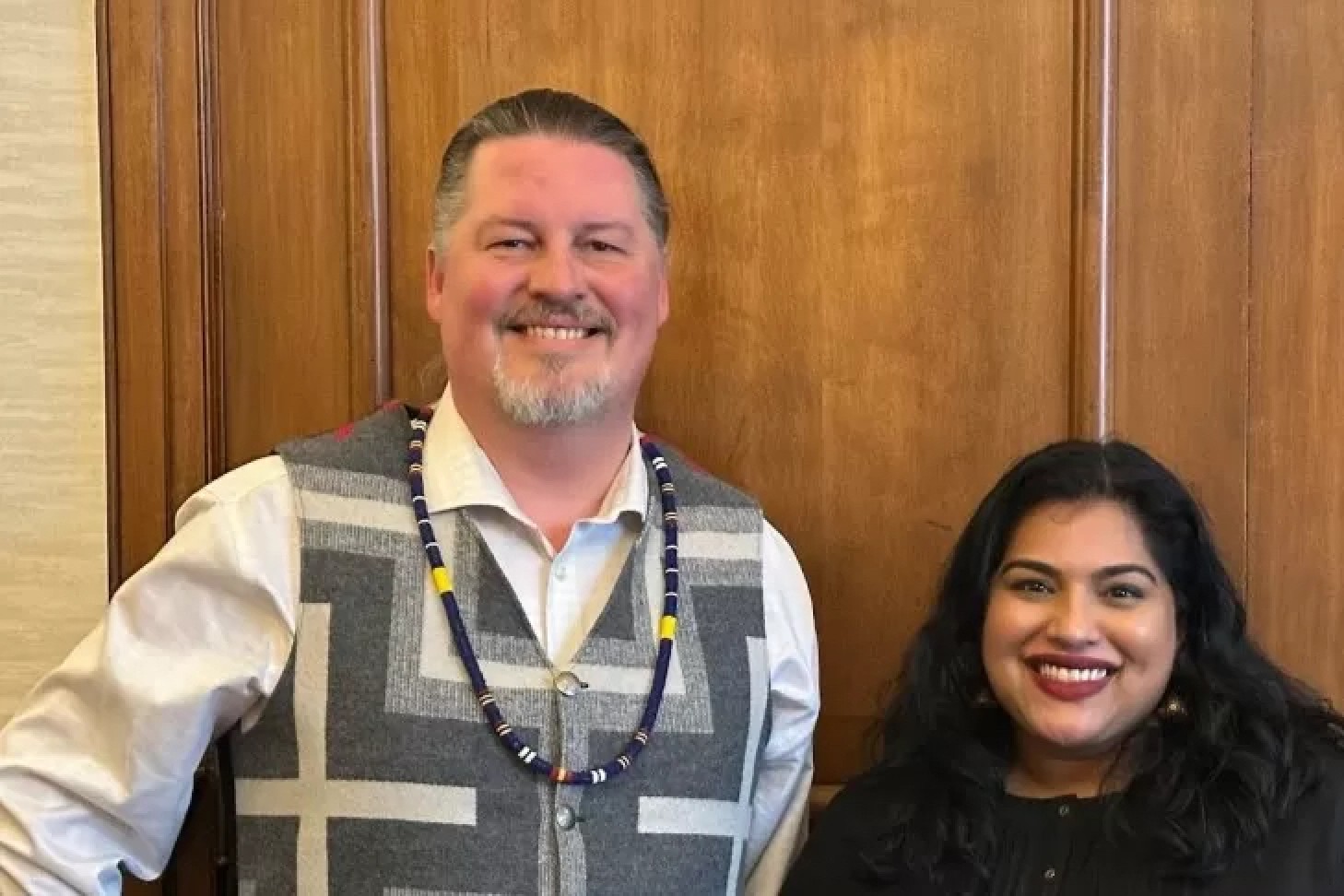
On July 19, I attended a Philanthropy Northwest program: Reflections on Philanthropy from Today’s Leaders: Kelly Brown – The Power of Diverse Networks. And afterwards, I had the privilege of continuing the discussion with the Grantmakers of Color Affinity Group and with Kelly Brown. Kelly is the D5 Coalition Director whose five-year mission is to grow philanthropy’s diversity, equity and inclusion.

So what was I, a white female from Eastern Washington, doing in the midst of this diverse group of thoughtful leaders? While it was a question I definitely asked myself, the real question was why weren’t more of us at the table listening to this very important work? Why wasn’t an auditorium three times the size filled to the brim with all of us wondering, questioning, pondering and learning?

I live in a community where 89.2% of the population is white. Should I repeat that? 89.2% is white. 2.1% Asian, 1.9% Black, and 1.5% Native American. What an opportunity for thinking outside of the box in our communities. What a great way to expand the idea of diversity far beyond color and to look at it through many lenses that offer us glimpses of economic diversity, generational diversity, diversity of style (thank you, Richard Woo!), educational diversity, religious diversity and the list goes on and on.

Building relationships with underserved communities

One of Empire Health Foundation's top priorities is building relationships with underserved communities, which has been rewarding and a learning process.  For example, our team has invested significant time with the Native American tribes in our region.  A summary of our progress to date:

*  The team has invested the time to meet tribal members and leaders at their reservation every week for the last several months.  

*  EHF invited the team from the Potlatch Fund to conduct a learning workshop with staff and board members on how best to build relationships in Indian country.  We have continued to give grants to Potlatch to provide our team on-going advice and wisdom.

*  EHF has regularly met with the program team at the Gates Foundation to better understand their investments in the tribes and how we can best align.

*  The team has provided support and technical assistance (from simple editing, to Letters of Support) to the tribes to submit a number of applications to national funding sources. 

Engaging face to face

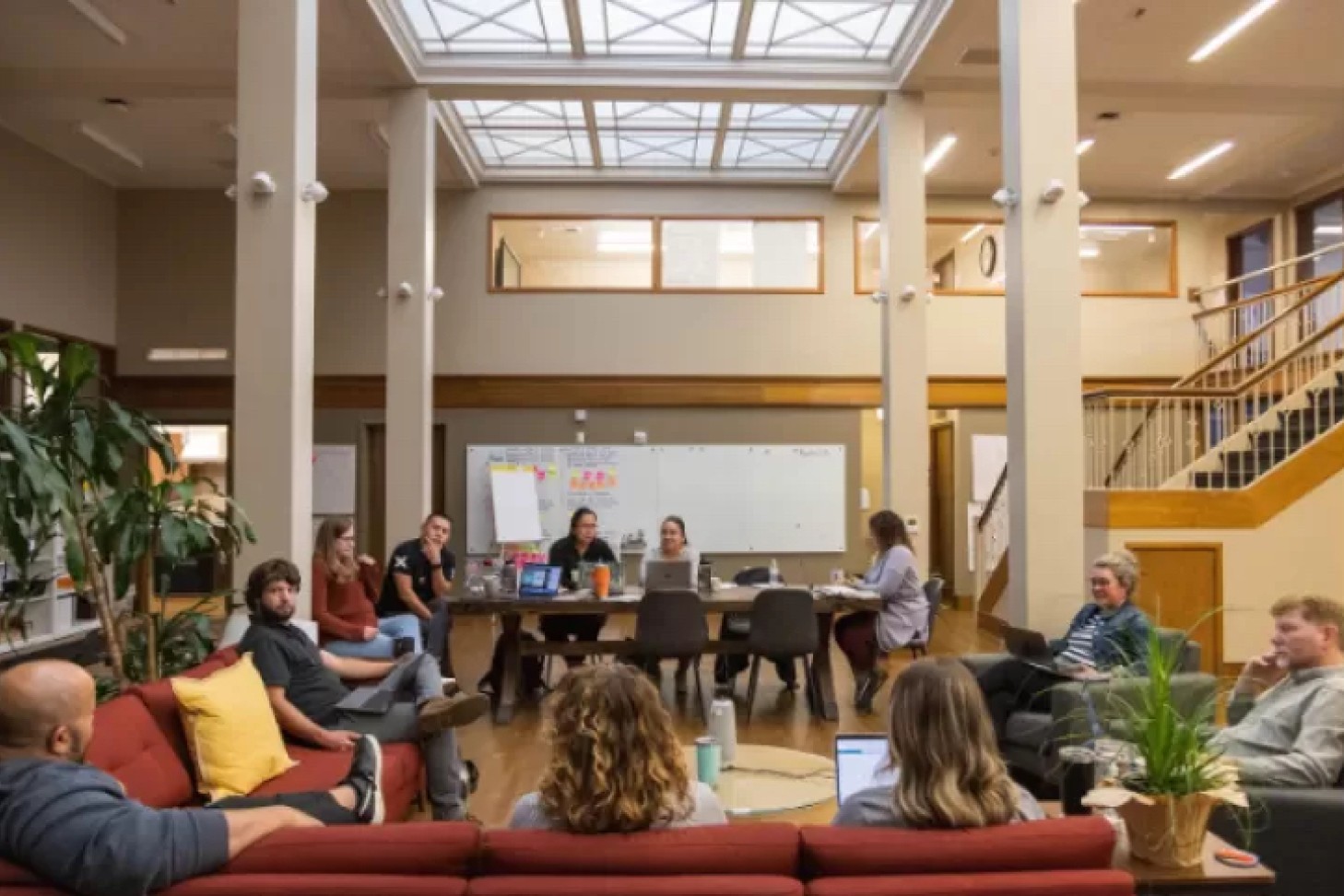
The team last week continued to invest time in building relationships with stakeholders in our rural counties.  Every day is a learning lesson.  One of the clear lessons is that these communities already have dedicated "champions" who want to help the people around them.  We were able to get a sense first hand of how these local champions were engaging those around them, getting them excited about improving lives.  

That ripple effect reminded me of a Robert Kennedy quote he made from South Africa in 1966:  "Each time a man stands up for an ideal, or acts to improve the lot of others, or strikes out against injustice, he sends forth a tiny ripple of hope, and those ripples build a current which can sweep down the mightiest walls of oppression and resistance." In our case, we are starting with small steps and modest investments towards better health and better lives, yet I believe the principle remains the same.  Spending time with these champions on the ground provided increased confidence that combining their passion with resources will ultimately move the dials that everyone wants to move.

Passion for helping people

One of the great aspects of working in philanthropy is the self-selecting nature of the people you get to work with on a daily basis.  One of those qualities I see whether board member, staff, or stakeholder in the community, is the desire to serve the community, even in their spare time.

Just recently, two great examples come to mind (and I have many more I need to share!).  

*  Sam Selinger, a member of our board and co-chair of the EHF Grants Committee, last month was honored by the Federation of State Medical Boards with the "John H. Clark, M.D. Leadership Award".  Even in so-called retirement, Sam has been tireless in contributing his time and thinking to better lives.  In accepting his award, I especially like this statement in regards to his work on the medical board:  "When you want to foster responsible behavior in people, you cannot just legislate more rules and regulations; you have to enlist and inspire people in a set of values. People need to be governed both from the inside, inspired by shared values and from the outside, through compliance with rules."

[Note:  Sam would probably not approve of my sharing this, but folks beware, I am going to get in the habit of sharing stories of dedication.]

A four year medical school in the region - WWAMI Spokane

Today at EHF's board meeting, I was asked "What is keeping me up at night."  And one of those key issues is:  What is the role of the foundation for the 4 year medical school (WWAMI-Spokane)?  How can we best play an added value role for maximum impact?"

To date, EHF has invested time and seed grant funds in several key areas directly affecting the medical school effort:

*  Invested time building relationships with the Spokane Medical School Steering Committee (catalyzed by WSU leadership & GSI), participating as a member of the steering committee, agreeing to chair one of the subcommittees.

*  Providing a seed grant to fund the development of a Business Plan by Tripp Umbaugh consulting (the firm was also engaged to analyze the Economic Impact Study), with action plans for moving the effort forward

*  Building relationships with UW School of Medicine, to better understand their strategic direction and vision and how best to align other stakeholders.

*  Building relationships with other private philanthropists and funders to align their efforts and donations.

twitter facebook RSS
©2009 Empire Health Foundation.